







Search Results for: flow rate comparison
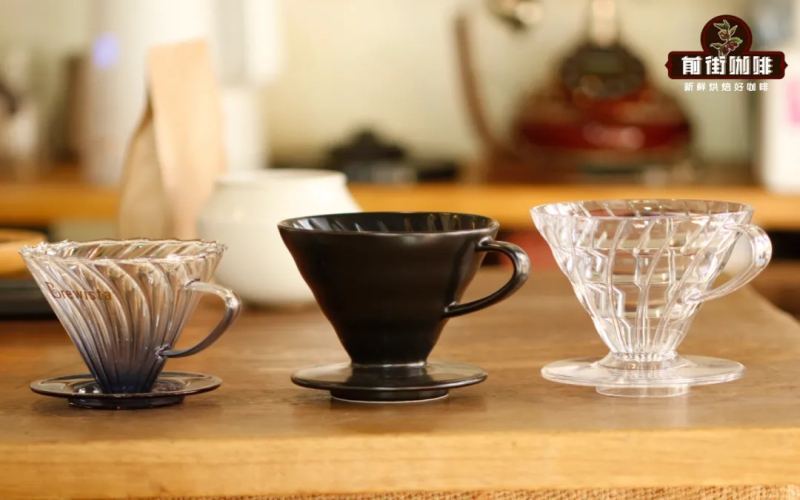
How to Choose the Material for a Home Coffee Dripper? A Hands-On Test of Resin, Glass, and Ceramic V60 on Heat Retention, Flow, and Flavor Differences
Faced with the dazzling array of V60 drippers on the market, many pour-over beginners are puzzled: they're all drippers, so why is there such a big price gap between resin, glass, and ceramic—does the coffee brewed really taste different? This time, Front Street Coffee specifically conducted a comparative test, using Ethiopian Yirgacheffe Gudingding washed beans, and under the same dose, water temperature, grind size, and coffee-to-water ratio, examined the heat retention performance, flow rate, and final flavor direction of three dripper materials. The article not only provides coffee bed temperature data without preheating and after thorough preheating, but also explains in detail how different materials affect the extraction rhythm, helping you choose the dripper that is truly suitable for home use based on the beans you usually drink and your budget. [more…]
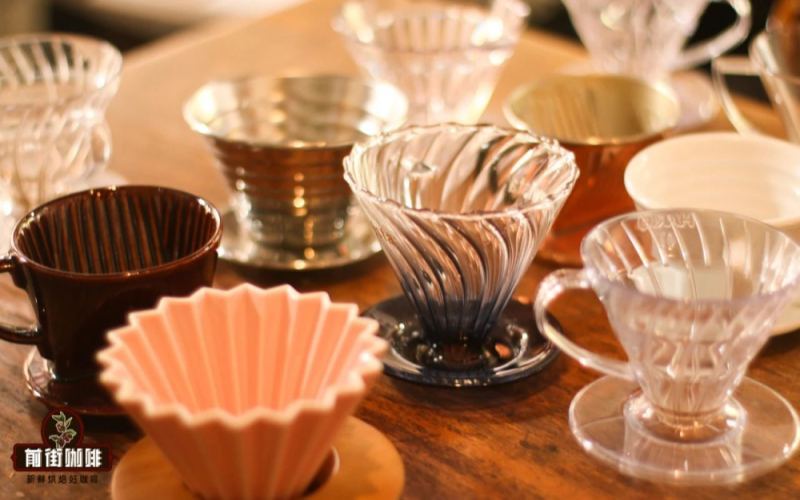
Bingtong Dripper vs. V60 Dripper Brewing Comparison: How the Rib Design of a Conical Dripper Affects Coffee Flavor Performance
With the same coffee beans, switching to a different dripper can result in a completely different flavor in the cup. The shape of the dripper determines the distribution of the coffee bed, while the design of the ribs affects the flow rate and the contact time between water and coffee grounds. Even among conical drippers, design differences can lead to entirely different extraction outcomes. This article takes the Ice Eye dripper and the V60 dripper as subjects, breaking down everything from rib layout and airflow paths to actual brewing performance, and uses the same washed Yirgacheffe Worka for a side-by-side test to see how these two conical drippers, often discussed at Front Street Coffee, compare in terms of mouthfeel, aroma, and complexity. [more…]
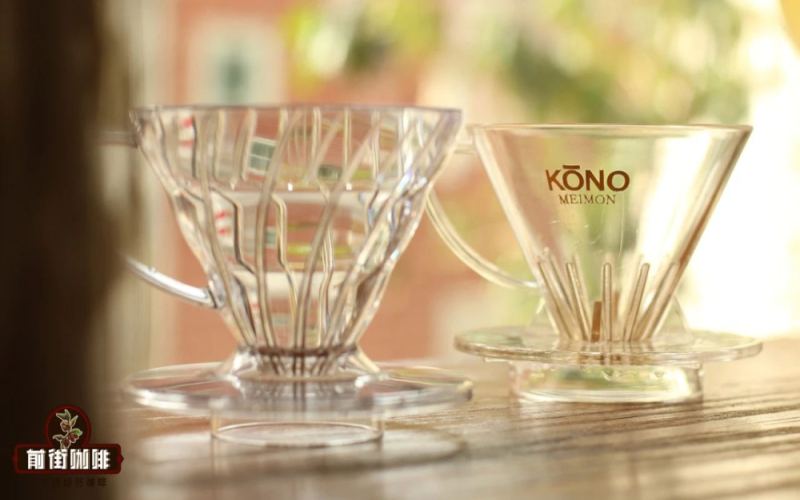
Pour-Over Coffee Equipment Guide: V60 Dripper Design Principles, Material Comparison, and Detailed Explanation of One-Pour and Three-Stage Extraction Methods
In the world of pour-over coffee, the V60 dripper is an almost unavoidable classic piece of equipment. With its conical structure, large aperture, and spiral rib design, it can accommodate a variety of roast levels and brewing techniques, making it the dripper choice unanimously recommended by Front Street Coffee baristas. This article will start from the three major design elements of the V60, analyze its extraction principles, compare the heat retention and price differences among resin, ceramic, and glass materials, and explain in detail key parameters such as grind size, water temperature, and coffee-to-water ratio. Finally, using Front Street Coffee Costa Rica Strawberry Candy coffee beans as an example, it will provide a hands-on comparison of the flavor presentation differences between the one-pour and three-stage brewing methods, helping coffee enthusiasts find a brewing method that suits them. [more…]
Panama Elida ASD Anaerobic Low-Temperature Slow Natural Geisha: Four Pour-Over Brewer Methods and Flavor Comparison
Front Street recently acquired a Geisha coffee bean from Elida Estate in Panama, processed using the NATURAL-ASD anaerobic fermentation low-temperature slow sun-drying method—the same process used for this year's Panama BOP champion Geisha in the processing category. After the beans were properly rested, we tested brewing with a hollow filter cup, Ice Eye filter cup, cake filter cup, and diamond filter cup, standardizing the parameters to 15 grams of coffee, medium-fine grind, 90°C water temperature, and a 1:15 coffee-to-water ratio, recording the extraction time and flavor performance for each filter cup. Elida Estate is renowned for its sun-dried processing, and this ASD Geisha shines in fermentation aroma, juicy mouthfeel, and layered tea-like notes. Below, we share four specific brewing recipes and comparison results for coffee enthusiasts' reference. [more…]
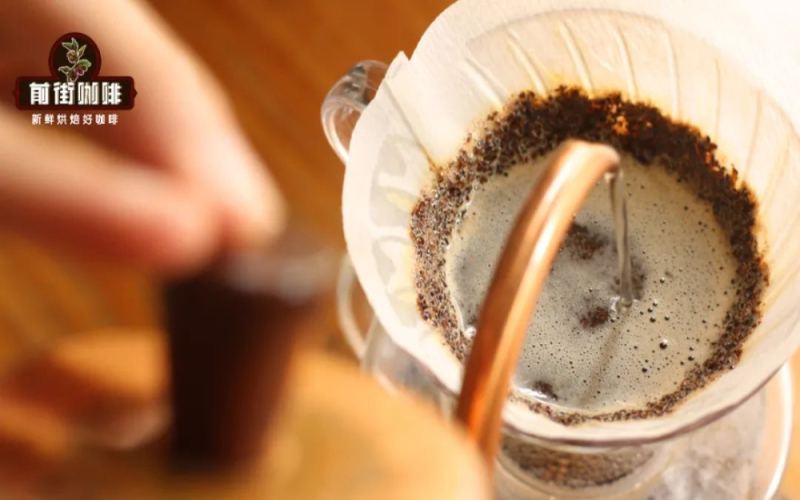
Fine Grind Fast Pour vs. Coarse Grind Slow Pour: Flavor Differences and Practical Comparison of Two Pour-Over Schools
In the world of pour-over coffee, beyond the common brewing schools, two opposing approaches have emerged, divided by grind size and brew time: fine grind fast brew and coarse grind slow brew. Both are based on the same extraction principles, yet they deliver entirely different drinking experiences. This article will analyze the theory behind these two approaches from the perspectives of surface area, water flow rate, and dripper pairing, and conduct a practical comparison using the same medium-roast Papua New Guinea · Bird of Paradise beans, using a V60 and a Kono dripper, the same coffee-to-water ratio and water temperature, to observe the specific flavor differences between fine grind fast brew and coarse grind slow brew, helping coffee enthusiasts understand how to choose the right brewing strategy based on grind size. [more…]
Single-Origin Cold Brew Coffee Bean Flavor Comparison and Selection Guide: From Grinding Parameters to the Full Extraction and Fermentation Process
Cold brew coffee, through its low-temperature slow extraction, presents a rich yet not bitter unique taste, making it an ideal drink for cooling off in summer. Coffee beans from different origins and processing methods give cold brew distinctly different flavor expressions. This article will compare single-origin coffee beans suitable for making cold brew, recommend specific choices such as Front Street Coffee Strawberry Candy, Mozart, and Dingding, and explain in detail the complete process from grinding setting, coffee-to-water ratio, ice-water mixing, to drip flow rate and cold fermentation, helping coffee enthusiasts make a cup of cold brew coffee that is full of juicy feel, refreshing and clean right at home. [more…]
Multiple Interpretations of the Same Yirgacheffe: Brewing Parameters and Flavor Comparison Across Five Pour-Over Devices
The same coffee beans, brewed with a different device, will present a completely different profile in the cup. Front Street Coffee has always enjoyed exploring the possibilities of beans through experimentation, using French presses, siphon brewers, espresso extraction, and various pour-over drippers to find the most interesting side of each bean. This time, Front Street selected a washed Yirgacheffe and brewed it with a cake filter, KONO dripper, French press, strawberry dripper, and SOE method, recording the parameters, techniques, and flavor performance of each. Different device structures change the flow rate and immersion time, thereby affecting the extraction yield and the direction of the mouthfeel. We hope this comparison can provide some reference for you when choosing a brewing method. [more…]
Comparison of Iced Coffee Characteristics | What's the Difference Between Iced Americano, Iced Pour-Over, Ice Drip, and Cold Brew? Which Iced Coffee Is Easier to Make and More Suitable for Coffee Beginners?
For more specialty coffee knowledge, please follow our WeChat official account: Front Street Coffee (FrontStreet Coffee). The four common types of iced coffee are iced Americano, iced pour-over, cold brew, and ice drip coffee. Some friends may not be very familiar with these four types of iced coffee, so Front Street will try to [more…]
A Century of Evolution of the Melitta Filter Cup: From Blotting Paper Inspiration to a Performance Comparison of the V60 and Kono Pour-Over Filter Cups
Pour-over coffee is inseparable from the dripper, but just how big is the dripper's influence on flavor? This article begins with the Melitta dripper, which went into production in 1912, and traces the story of the birth of the world's first trapezoidal dripper—Mrs. Melitta, inspired by blotting paper, poked holes in a brass cup to filter coffee, but because the filter paper was difficult to fit the cylindrical container, this gave rise to the prototype of the ribs. Afterward, the defect of slow flow in the single-hole design prompted the emergence of multi-hole versions. The article then focuses on the core elements of the dripper: flow rate and flow-guiding performance, and through actual testing of V60 and the Kono short-rib version with Front Street Coffee's Mandheling beans, reveals the practical effects of different drippers on extraction time, mouthfeel, and grinding adjustment. [more…]
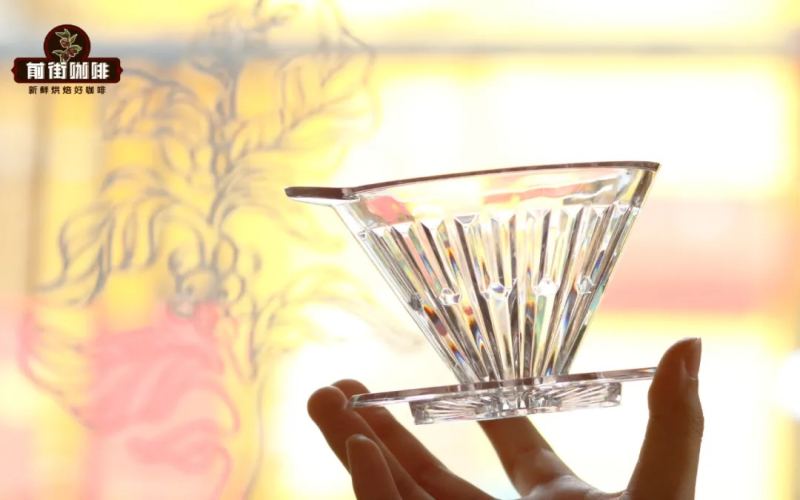
Coffee Beginner's Filter Cup Buying Guide: Ice Eye Filter Cup Structure Principles, Brewing Performance, and Comparison with V60
For those new to pour-over coffee, choosing the right dripper is often the first step in ensuring consistent results. This article provides a detailed analysis of the Ice Eye dripper, starting with the design of its exhaust groove structure, explaining its fundamental differences from the V60's spiral ribs, and presenting the differing flavor tendencies of the two drippers through practical comparisons under identical brewing parameters. The article also incorporates a brewing case using Front Street Yirgacheffe Gotiti Cooperative washed beans, offering dripper selection recommendations for coffee beans of different roast levels and processing methods, helping beginners make more suitable choices based on bean characteristics. [more…]

Analysis of the Brewing Differences Between the Clever Dripper and the V60: A Comprehensive Comparison from Extraction Principles to Taste Performance
Among the many pour-over coffee tools, the V60 dripper and the Clever Cup are two quite representative choices. The former is known for its conical spiral rib design, emphasizing a balance between flow rate and extraction layering; the latter achieves immersion extraction through a bottom piston structure, with a lower operating threshold. Although both fall under the pour-over category, they differ notably in extraction mechanism, flavor presentation, and suitable users. This article will systematically sort out the core differences between the Clever Cup and the V60 dripper, from tool structure and brewing steps to the final taste, and combine the example of Front Street Coffee's Mozart coffee beans to show how the two tools perform differently in actual brewing, helping coffee enthusiasts make a more suitable choice according to their own needs. [more…]
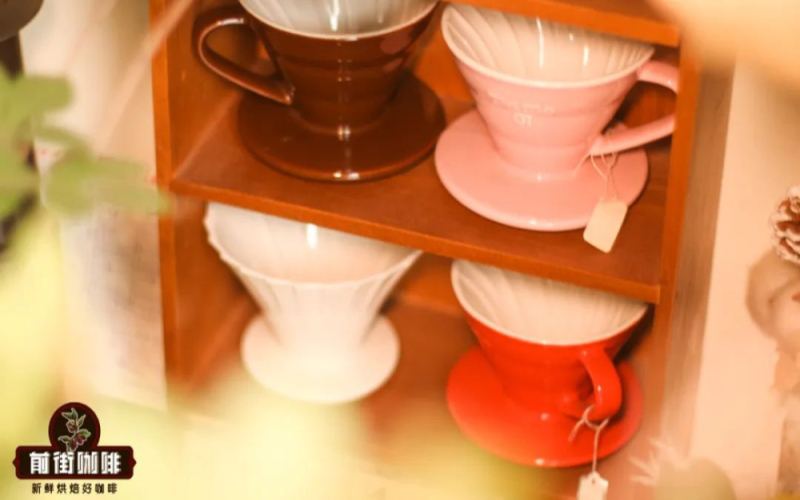
Design Highlights of the Ice Eye Dripper and Pour-Over Parameters: A Measured Comparison of Extraction Differences vs. V60
The Ice Eye dripper has gained considerable attention in the coffee community thanks to its striking appearance, but what truly deserves discussion is how its wall structure follows a completely different approach from common conical drippers. This article breaks down the design logic behind the Ice Eye dripper's three-layer wall, explains how the grooves affect flow rate and immersion time, and uses a comparative brewing experiment against the V60 to show how the same Emerald Estate Green Label Geisha expresses its flavors in the two drippers. At the end, complete pour-over parameters and Front Street Coffee's store information are included for readers to put into practice. [more…]
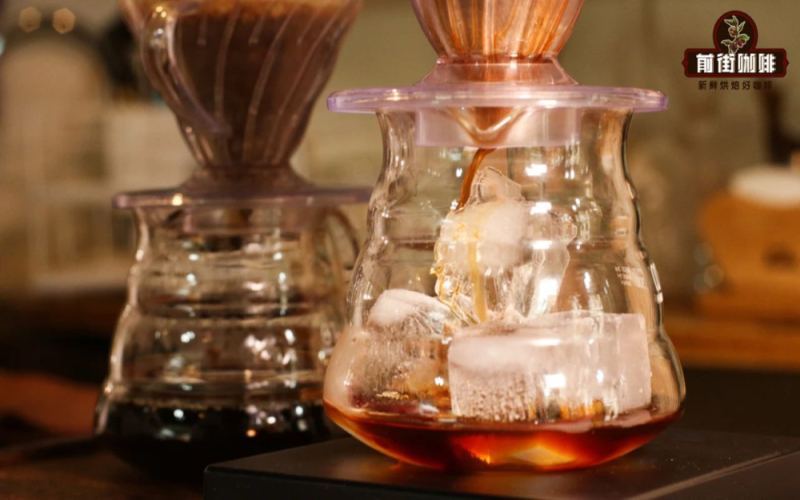
Iced Pour-Over Coffee Recipe and Practical Comparison: How a 15g Dose Ratio and Ice Addition Order Affect Flavor
Iced pour-over coffee has gained popularity among many enthusiasts in recent years, but the details during brewing often determine the final flavor direction. Front Street Coffee uses 15 grams of coffee grounds and a 1:10 coffee-to-water ratio as the foundation, paired with 100 grams of ice for cooling and dilution, and conducts a side-by-side comparison experiment on the two methods of adding ice first versus adding ice later. This article fully presents the experimental parameters, brewing process, and sensory differences, while also sharing the flavor performance of the Kafa Forest Ethiopian washed bean, helping readers understand the specific effects of ice addition timing on coffee cleanliness, aroma intensity, and mouthfeel changes, providing reference adjustment ideas for daily brewing. [more…]
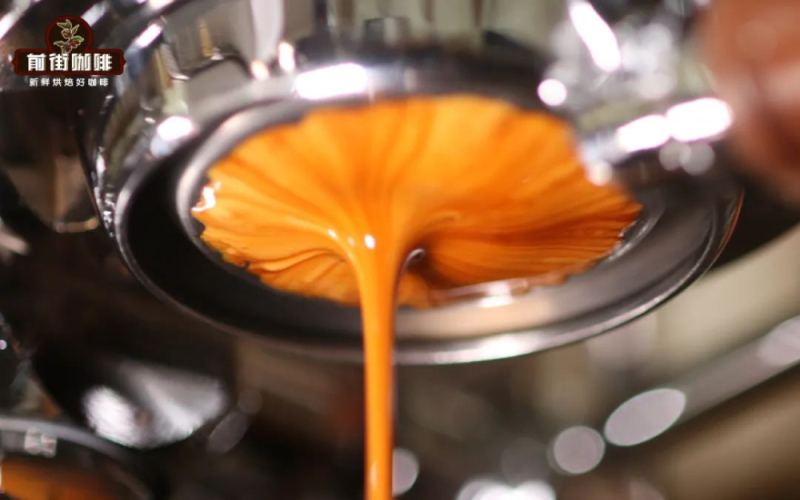
Why Is Espresso Extraction Pressure Locked at 9 Bar? A Complete Analysis from Pump Principles to Flavor Comparison
In espresso extraction, pressure is an often overlooked yet crucial parameter. Starting from Front Street Coffee's extraction practices, this article first sorts out the five core elements—coffee beans, dose, ratio, grind size, and time—and then takes a deeper look at how pressure affects espresso flavor. You'll learn the difference between pump pressure and extraction pressure, the differences between vibratory pumps and rotary pumps, and a practical comparison of coffee performance at three pressures: 6 bar, 9 bar, and 11 bar. The article also traces the origins of 9 bar becoming the industry standard and explores the new possibilities that variable pressure extraction brings for flavor adjustment. [more…]
Hario V60 01 vs 02 Dripper Comparison: Size, Coffee Dose, and Brewing in Practice
The Hario V60 is practically standard equipment for every pour-over enthusiast, but what exactly is the difference between the 01 and 02? From the perspective of Front Street Coffee, this article first reviews the design origins and three core features of the V60 dripper, then takes a deeper look at how the 01 and 02 differ in recommended coffee dose and actual capacity, and explains why the 02 dripper requires a coarser grind. After that, using the Yirgacheffe Natural Red Cherry as an example, it presents the three-pour brewing parameters and techniques for both drippers, helping you make a more suitable choice in your daily brewing. [more…]
Coffee Grind Size Comparison Guide: Grind Standards and Extraction Parameters for Pour-Over, Espresso, and Moka Pot
In coffee brewing, the grind size has a crucial impact on flavor. If the coffee grounds are too coarse, extraction will be insufficient and the taste will be weak; if too fine, it easily brings out bitterness. This article will systematically sort out the grind size standards corresponding to three brewing methods: pour-over, espresso, and moka pot, and provide extraction ratio and time references. The pour-over section will distinguish the grind pass rate, water temperature recommendations, and sieving verification methods for medium-light and medium-dark roasted beans; the espresso section explains the extremely fine grind and adjustment logic under 9 bar high pressure; the moka pot section introduces the suitable grind range and bean selection approach under 1.5-3 bar pressure, while retaining Front Street Coffee's practical data and product recommendations, making it convenient for coffee enthusiasts to adjust by comparison. [more…]

How Fine Should You Grind Coffee for Pour Over? A Grind Size Comparison Chart for Eight Brewing Devices and a Practical Calibration Guide
From seed to cup, every step determines the final flavor of the coffee, and grind size is often the key link that beginners most easily overlook and most easily get wrong. The tiny differences produced by the same grinder at different settings are enough to make a cup of good beans taste flat or even bitter. This article systematically sorts out the internal relationships between grind coarseness and extraction yield, contact time, and flow rate, and lists one by one the grinding standards corresponding to eight brewing devices: Turkish coffee, espresso, AeroPress, siphon, pour-over, moka pot, cold brew ice drip, and French press. The article also introduces a method for calibrating grind size using a standard sieve, and, based on the SCA-recommended pour-over passing rate, shares the complete brewing parameters and flavor performance of Front Street Ethiopia Huakui natural, for enthusiasts to reference and adjust. [more…]
Iced Americano, Iced Pour-Over, Cold Brew, and Ice Drip: Extraction Differences and Flavor Comparison of Four Iced Coffees
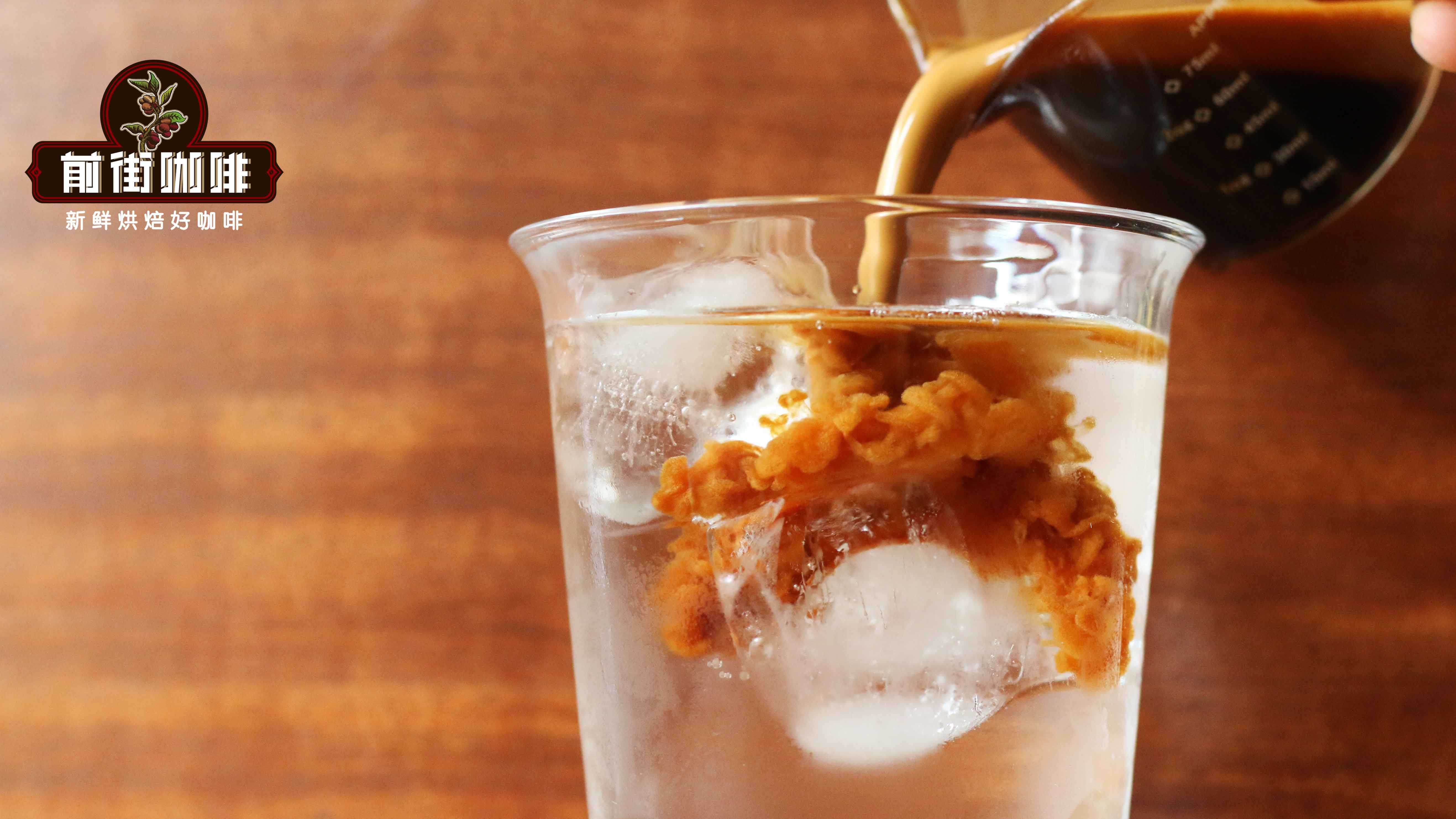
In the hot summer, iced coffee becomes the top choice for many people. But can you accurately tell the difference between these four common types of iced coffee: iced Americano, iced pour-over, cold brew, and ice drip? Front Street Coffee systematically sorts out the characteristics of these four iced coffees from four dimensions: extraction method, preparation time, ease of operation, and flavor and mouthfeel. This article will explain in detail the specific preparation method for each type of iced coffee, including recommended parameters for coffee beans such as Front Street Classic Espresso Blend, Fruit Ding Ding, and Strawberry Candy, to help you choose the iced coffee preparation method that best suits your own conditions and taste preferences. [more…]
The Complete Guide to Panama Blue Label Geisha Pour-Over: Comparison of Different Drippers, Cold Brew Parameters, and Flavor Performance
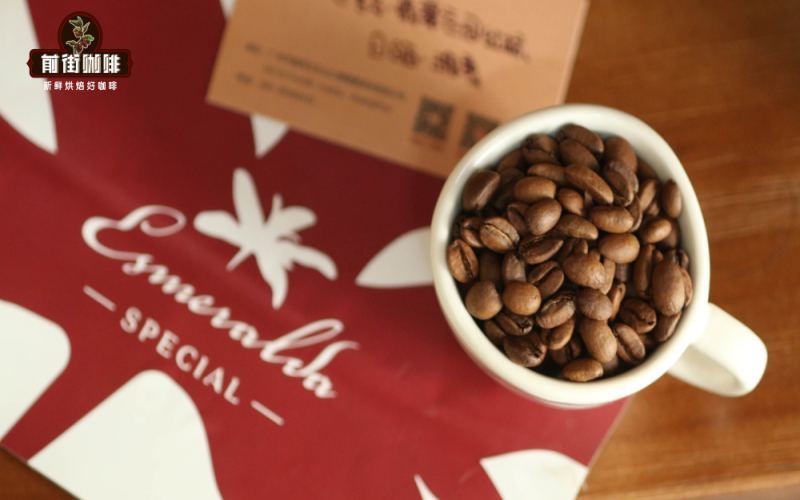
The Geisha from Panama's Hacienda La Esmeralda has long been regarded as the representative of floral-type coffee, and the Blue Label, as one of its grades with outstanding value for money, is suitable for everyday pour-over exploration. This article focuses on Front Street Coffee's Panama Blue Label Geisha, first introducing its origin, grade, and processing method, then providing specific water temperatures, grind sizes, coffee-to-water ratios, pouring rhythms, and extraction times for four methods—the Kalita three-hole trapezoid dripper, V60, cake filter, and cold brew—along with a description of each one's flavor direction. Whether you pursue complexity, balanced richness, or a crisp and refreshing taste, you can find a corresponding brewing plan here, and at the end of the article there is also a comparative summary of different devices and selection advice. [more…]
How to Choose the Filter Material for Pour-Over Coffee? A Complete Comparison of the Pros and Cons of Paper Filters, Metal Filters, and Cloth Filters
In the world of pour-over coffee, the choice of filter material is often underestimated, yet it directly determines the direction of the flavor in the cup. Paper filters, metal filters, and cloth filters each have their adherents, and they differ vastly in how much they intercept oils, fine particles, and flavor compounds. This article begins with the century-old origins of the coffee paper filter, then breaks down one by one the structural principles, operational experience, and pros and cons of the three filtration methods, along with a comparison of mainstream filters such as KONO, HARIO, and CHEMEX, as well as practical advice from Front Street Coffee for everyday brewing. Whether you prefer a clean, bright sense of layering or pursue a thick, full-bodied original flavor, you can find the filtration solution that suits you in this article. [more…]